
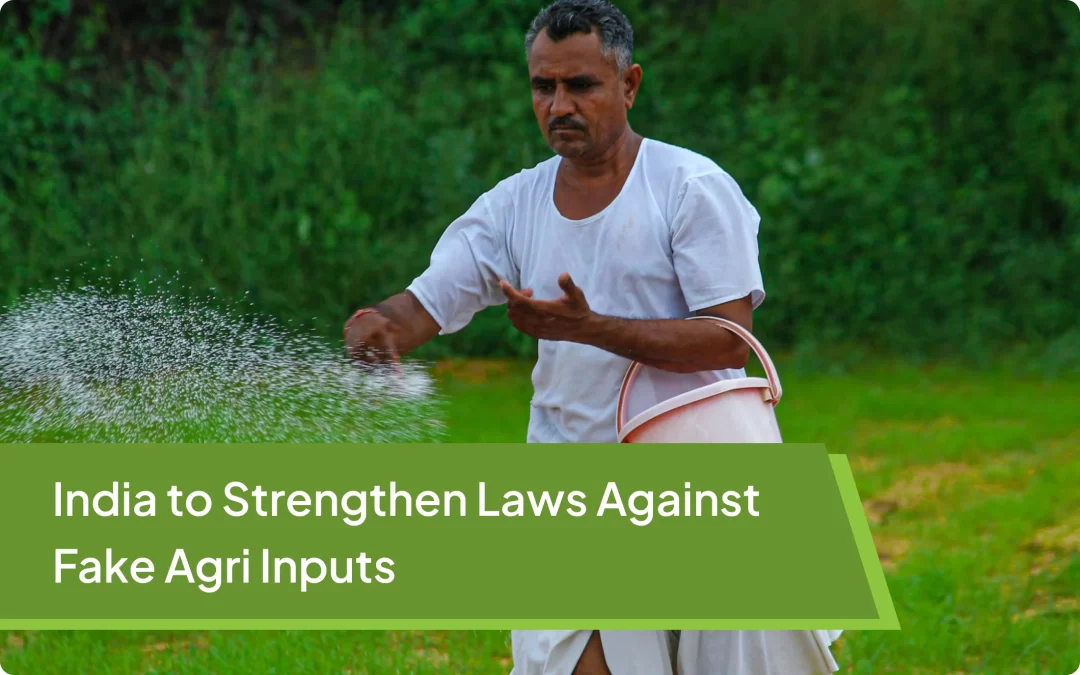
In a move to safeguard farmer interests and agricultural productivity, the central government is in the process of drafting a new law focused on curbing the spread of counterfeit farm inputs. These include spurious seeds, unapproved pesticides, and adulterated fertilisers that continue to flood rural markets, undermining the efforts of genuine cultivators.
Agriculture Minister Shivraj Singh Chouhan has emphasized the need for a clear, comprehensive legal mechanism that ensures quality and authenticity in every product that reaches the farm gate. The proposed legislation is expected to plug gaps in the current regulatory framework and introduce more severe penalties for violations, including criminal prosecution and licence revocation.
This decision stems from growing concerns over the rise in fake inputs, particularly during the sowing season when farmers make critical investments in their crops. Officials are also looking to enhance coordination with states to intensify inspections, increase the number of sample tests, and empower local authorities to act swiftly.
The government believes that by tightening enforcement and setting strict quality standards, it can restore trust in the input supply chain and help farmers make informed, risk-free choices.
Why This Matters
Farmers across the country continue to face serious setbacks due to the circulation of fake inputs. These products not only lead to reduced crop yields but also increase input costs, causing long-term financial strain. It is estimated that counterfeit fertilisers alone account for a significant portion of the market by value, indicating the widespread nature of the problem.
Recent inspections and interactions with agricultural research institutions have reinforced the urgency of the situation. Officials have noted that while technological advancements are reaching farms, the benefits are being undermined by unregulated supply chains that allow fake products to thrive.
What the New Law Intends to Do
The proposed legislation aims to:
- Introduce stricter criminal penalties for those involved in the manufacture and distribution of fake agricultural products.
- Hold manufacturers, distributors, and retailers accountable through stronger enforcement and faster licence cancellations.
- Strengthen the current regulatory framework under existing laws like the Fertiliser (Control) Order.
- Improve sampling and testing protocols for fertilisers and pesticides at retail and distribution levels.
Ground-Level Actions Already Underway
In several states, agricultural departments are stepping up inspections and monitoring during the peak sowing season. Officers are being stationed at key sales points, and samples are being collected and tested more rigorously. Outlets found guilty of selling fake products are having their licences suspended or revoked.
These on-the-ground efforts are expected to complement the legal overhaul, creating a more secure and transparent environment for farmers to access quality inputs.
Anticipated Impact
- Stricter legal provisions will enable faster enforcement and act as a strong deterrent against offenders.
- Improved monitoring across the supply chain will reduce the circulation of counterfeit products.
- Enforcing accountability at every level—manufacturers, distributors, and retailers—will minimize input-related crop losses.
- Enhanced sampling and testing protocols will ensure better quality assurance for farmers.
- Greater trust in agricultural inputs will encourage adoption of certified, high-performing products.
Reference : Times of India
 Get Compliant with Scalion
Let Scalion help you meet the 2025 Insecticide Labelling norms.