
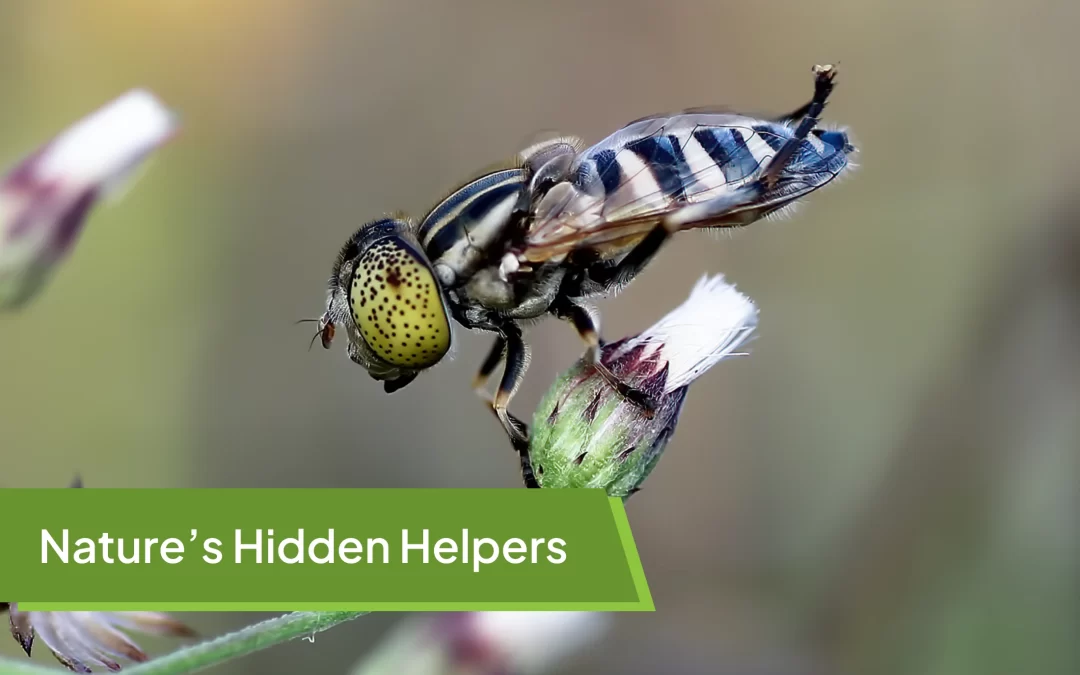
When we think of pollinators, the image that usually comes to mind is a honeybee buzzing from one blossom to another. But in reality, the job of pollination is shared by a wide variety of creatures – some tiny, some winged, some active by day, and others at night. Together, they form an intricate web of life that keeps our ecosystems healthy, our gardens colorful, and our food supply secure.
Many of these pollinators go unnoticed, quietly doing their work without fanfare. Let’s step into their world and meet some of nature’s most surprising plant matchmakers.
Hummingbird
Small but full of energy, hummingbirds are drawn to bright, tube-shaped flowers rich in nectar. As they hover to feed, their feathers and beaks collect pollen, helping flowers reproduce – especially in the Americas, where they are key pollination partners.
Bat
It may surprise you, but certain bats are vital pollinators, especially in tropical and desert climates. They seek out flowers that bloom at night, such as agave, mango, and banana plants, transferring pollen as they feed on nectar.
Ant
Often overlooked due to their size, ants can still play a role in pollination. As they move from one tiny ground flower to another in search of food, they unknowingly carry pollen along with them.
Dragonfly
While dragonflies are better known as skilled hunters of mosquitoes and flies, they can sometimes assist in pollination. Resting on plant stems or leaves, they may pick up and transfer small amounts of pollen.
Snail
Slow and steady, snails aren’t common pollinators, but in damp environments with low-growing plants, they can transport pollen on their bodies as they glide from one plant to another.
Butterfly
A classic symbol of a flourishing garden, butterflies use their long, coiled tongues to sip nectar while brushing against pollen-covered flower parts. Their elegance hides the important role they play in supporting plant reproduction.
Fly
Not all flies are nuisances – some are essential pollinators. Certain species mimic bees in appearance and behavior, visiting flowers and transferring pollen, particularly in cooler climates where bees may be less active.
Ladybug
Known for devouring aphids, ladybugs also help plants by picking up pollen grains as they crawl over flowers during their search for prey.
Moth
Cousins to butterflies, moths are often active at night, visiting pale or strongly scented flowers. Many plants rely on these nighttime visitors for pollination, especially in tropical and temperate regions.
Honeybee
The superstar of the pollination world, honeybees are responsible for helping produce about one – third of the food we eat. From apples and almonds to cucumbers and coffee, their work touches nearly every corner of our diet.
Beetle
One of the oldest pollinator groups, beetles are attracted to large, open flowers with strong scents. They play a big role in pollinating ancient plants such as magnolias.
Wasp
Though often feared for their sting, some wasps are essential pollinators. The most famous example is the fig wasp, which has a unique and delicate relationship with fig trees – neither can survive without the other.
Pollinators, big and small, visible and hidden, are the lifeblood of our planet’s biodiversity. They ensure plants reproduce, wildlife thrives, and humans have food to eat. Yet, many pollinator species face threats from habitat loss, pesticides, and climate change. By planting native flowers, reducing chemical use, and providing safe habitats, we can all help protect these unsung heroes.
The next time you spot a hummingbird darting through the air, a moth hovering near a blossom, or even a tiny ant on a petal, take a moment to appreciate their silent but essential work. Nature’s survival depends on them – and so does ours.
 Explore Scalion’s Solution Offerings