
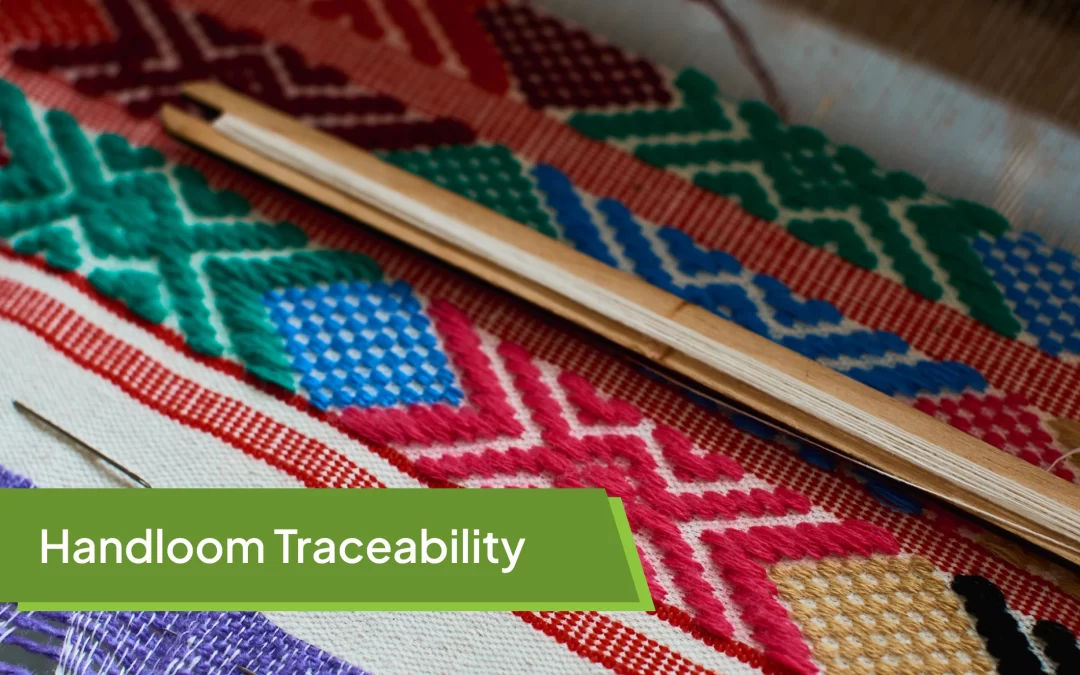
India’s handloom sector is one of the country’s oldest and most vibrant industries, employing millions of artisans and contributing significantly to cultural heritage. However, the growing demand for transparency, fair trade, and sustainable production has made traceability a crucial part of the industry. Handloom traceability refers to tracking a handloom product from the raw material stage to the final consumer, ensuring its authenticity, quality, and ethical production practices.
What is Handloom Traceability?
Handloom traceability is the process of recording and verifying every stage of a handloom product’s lifecycle, including:
-
Source of raw materials – such as cotton, silk, or wool
-
Weaving location and artisan details
-
Dyeing and finishing processes
-
Packaging and distribution channels
-
Certification and quality standards compliance
It helps protect both artisans and consumers by ensuring genuine products and discouraging imitation or machine-made substitutes.
Benefits of Handloom Traceability
For Consumers
-
Assures authenticity of “handmade” claims
-
Provides information about origin and artisan stories
-
Builds trust in ethical and sustainable purchases
For Artisans & Weavers
-
Protects intellectual property and craftsmanship
-
Helps in accessing premium markets
-
Facilitates fair pricing and recognition
For the Industry & Government
-
Prevents counterfeit sales
-
Encourages sustainable and eco-friendly practices
-
Supports GI (Geographical Indication) tagging and export compliance
How Handloom Traceability Works
-
Registration of Weavers and Cooperatives
-
Weavers register with local handloom departments or cooperative societies.
-
Details like artisan name, location, weaving skills, and looms owned are recorded.
-
-
Unique Identification Codes (UICs)
-
Each registered product is assigned a unique code or QR tag.
-
Consumers can scan this code to access product details online.
-
-
Digital Tracking Platforms
-
Government portals like the Handloom Mark Scheme or India Handloom Brand maintain databases of genuine products.
-
Private sector traceability tools also help record product journeys.
-
-
Certification and Quality Checks
-
Products undergo quality testing for thread count, weaving method, and dye safety.
-
Certifications like Handloom Mark and GI tags are issued.
-
Government Initiatives Supporting Traceability
-
Handloom Mark Scheme – Certifies products made on handlooms
-
India Handloom Brand – Promotes quality, authentic, and niche handloom products
-
e-Dhaga App – Tracks yarn supply to weavers
-
GI Tagging – Protects region-specific weaving styles like Banarasi, Kanchipuram, and Pochampally
Why Traceability Matters for the Future of Handlooms
With increasing global awareness of sustainable fashion, traceability is no longer optional. It helps artisans secure fair wages, prevents cultural appropriation, and allows consumers to make informed, ethical choices. By strengthening traceability systems, India can protect its centuries-old weaving heritage while positioning its handloom products as premium, authentic, and eco-friendly in international markets.
 Explore Scalion’s Solution Offerings