
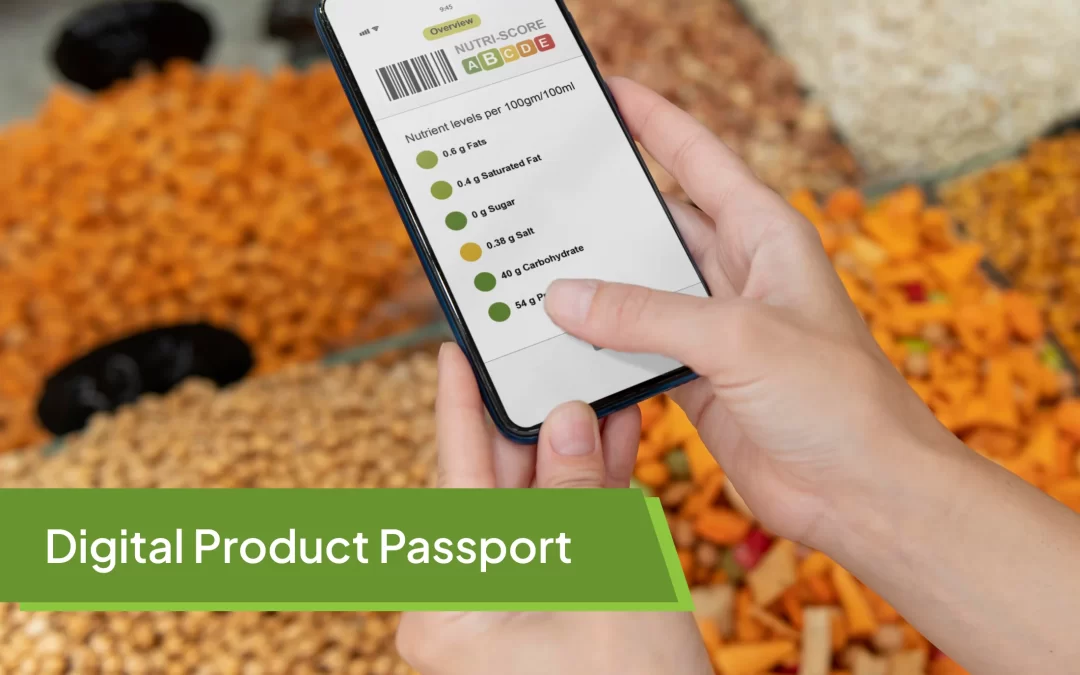
In an era where sustainability and transparency define market competitiveness, businesses are under growing pressure to provide verifiable information about their products. The Digital Product Passport (DPP) is emerging as a powerful tool that enables brands and manufacturers to build trust, comply with global regulations, and support circular economy initiatives. By digitizing product data from origin to end-of-life, the DPP is reshaping how industries approach traceability and accountability.
What is a Digital Product Passport?
A Digital Product Passport is a digital record that stores comprehensive information about a product’s origin, composition, production process, and environmental footprint. It acts as a product’s digital identity, accessible through a QR code, NFC tag, or online portal.
Through the DPP, stakeholders such as producers, regulators, consumers, and recyclers can view verified details about a product’s journey, ensuring authenticity and compliance at every stage.
Key Information Contained in a DPP
A standard Digital Product Passport may include:
-
Product identification details (name, batch number, unique ID)
-
Origin and supply chain information (farm, factory, or manufacturer)
-
Material composition and recyclability details
-
Certifications and regulatory compliance data (EUDR, Organic, Rainforest Alliance, etc.)
-
Carbon footprint and sustainability metrics
-
Maintenance, repair, and recycling instructions
-
Traceability and ownership history
Why Digital Product Passports Matter
1. Transparency and Trust
DPPs allow consumers and businesses to verify a product’s authenticity, ethical sourcing, and environmental credentials. This transparency strengthens brand reputation and builds consumer confidence.
2. Regulatory Compliance
With emerging regulations such as the EU Deforestation Regulation (EUDR) and the EU Circular Economy Action Plan, DPPs help companies meet documentation, traceability, and sustainability requirements efficiently.
3. Sustainability and Circular Economy
The DPP supports circular economy practices by sharing data about material recovery, recyclability, and reusability. Manufacturers can use this data to design more sustainable products and minimize waste.
4. Supply Chain Efficiency
By consolidating data across all supply chain actors, DPPs reduce manual documentation and improve coordination between producers, processors, exporters, and regulators.
Applications in Agriculture and Food Supply Chains
In agri-based industries such as coffee, seeds, or fresh produce, the Digital Product Passport ensures complete visibility from farm to export. For example, a coffee batch can carry its DPP containing:
-
Farm location and farmer identity
-
Cultivation and harvest details
-
Certifications like BSCA, SCA, and Rainforest Alliance
-
Carbon footprint and water usage data
-
Export and quality test information
This level of transparency helps exporters demonstrate compliance with sustainability standards and meet buyer expectations in international markets.
The Role of Scalion in DPP Implementation
Scalion enables agri-businesses and exporters to seamlessly adopt Digital Product Passports through its intelligent traceability platform. By integrating farm data, certification records, and batch-level compliance metrics, Scalion automates the creation of digital passports for each product or lot.
Key features include:
-
Centralized data management for certifications and audits
-
Farm and batch-level traceability mapping
-
QR-based consumer transparency pages
-
Integration with regulatory frameworks such as EUDR and Organic certifications
Through Scalion’s technology, businesses can ensure every product carries a verifiable digital identity — improving market access, brand credibility, and compliance readiness.
The Road Ahead
Digital Product Passports are no longer a futuristic concept; they are becoming a regulatory and operational necessity. As industries move toward smarter, sustainable production models, DPPs will bridge the gap between compliance, traceability, and consumer engagement.
Companies that adopt DPPs early will gain a competitive advantage — building resilient, transparent, and data-driven supply chains that align with global sustainability goals.
The Digital Product Passport marks a new era in responsible trade. It empowers businesses to prove what they produce, trace how it’s made, and show where it comes from — creating a world where every product tells its verified story.
 Explore Scalion’s Solution Offerings